
Malana Cream Hash: History, Origin, Production Methods, and Characteristics
Malana Cream Hash
Malana Cream Hash is one of the world’s most well-known traditional hash varieties. It is associated with the village of Malana in the Parvati Valley of Himachal Pradesh, India, where cannabis resin has been collected by hand for generations using traditional techniques. Because of its reputation and long history, Malana Cream is frequently discussed in articles about cannabis culture and traditional resin production.
Malana Cream Hash: History, Origin, Production Methods, and Characteristics
This guide explores the history, production methods, characteristics, and cultural significance of Malana Cream Hash for educational purposes.
What Is Malana Cream Hash?
Malana Cream Hash is a type of hand-rubbed cannabis resin, often referred to as charas. Unlike many forms of hash that are made from dried plant material, traditional charas is produced by gently rubbing fresh cannabis flowers between the hands so that the resin adheres to the skin. The collected resin is then rolled into small balls or sticks. Malana Cream Hash History Origin Production Methods
This centuries-old method distinguishes charas from dry sift and bubble hash, which use different extraction techniques.
Malana Cream Hash: History, Origin, Production Methods, and Characteristics
The History of Malana Cream
The village of Malana is located in the Himalayas within Himachal Pradesh, India. The region has long been known for its mountainous climate and traditional resin-making practices. Over time, “Malana Cream” became recognized internationally as a name associated with this style of hand-rubbed resin.
Today, the term is widely used in discussions of traditional hash-making and cannabis history. As with many heritage products, quality and authenticity can vary, and not every product marketed under this name necessarily originates from the Malana region. Malana Cream Hash: History, Origin, Production Methods, and Characteristics
Traditional Production Method
Historically, Malana Cream has been produced using a hand-rubbing process:
- Fresh flowering cannabis plants are selected.
- The flowers are gently rubbed between clean hands.
- Sticky resin accumulates on the skin.
- The resin is carefully scraped off.
- It is then rolled into balls, sticks, or other traditional forms.
This technique differs significantly from methods such as dry sifting or ice-water extraction, which separate resin mechanically rather than by hand. Malana Cream Hash History Origin Production Methods
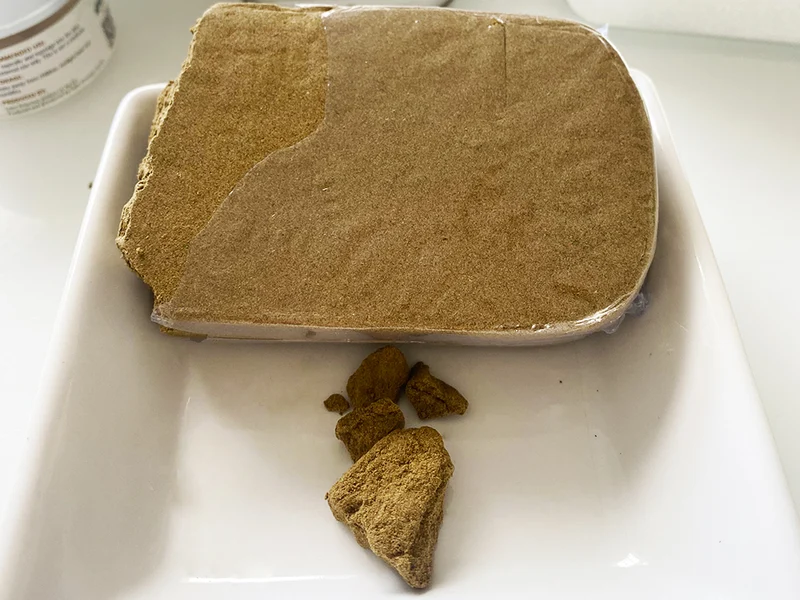
Appearance
Traditional Malana Cream is often described as:
- Dark brown to nearly black on the exterior
- Softer and lighter inside when freshly prepared
- Sticky, pliable texture
- Smooth consistency when gently warmed by hand
Appearance varies depending on factors such as the plant material, harvest timing, production method, and storage conditions. Malana Cream Hash: History, Origin, Production Methods, and Characteristics
Aroma Profile
Descriptions commonly associated with Malana Cream include:
- Earthy notes
- Woody aromas
- Herbal characteristics
- Pine-like scents
- Spicy undertones
Because aroma depends on the terpene profile of the source plant, no two batches are exactly alike. Malana Cream Hash History Origin Production Methods
How It Differs from Other Traditional Hash
Malana Cream vs. Moroccan Hash
Traditional Moroccan hash is commonly produced by sifting dried cannabis flowers to separate resin glands before pressing them into blocks. Malana Cream, by contrast, is traditionally made by hand-rubbing fresh flowers.
Malana Cream vs. Afghan Hash
Afghan hash has historically been made using dry sieving followed by pressing, resulting in a different texture and appearance compared with hand-rubbed charas. Malana Cream Hash History Origin Production Methods
Malana Cream vs. Bubble Hash
Bubble hash is produced using ice water and filtration bags to separate resin glands mechanically, without the use of solvents. This modern process differs substantially from the traditional hand-rubbed method associated with charas.
Cultural Importance
Malana Cream is often discussed as part of the broader history of charas production in the Himalayan region. Its reputation reflects generations of traditional craftsmanship and regional knowledge. For many researchers and enthusiasts, it represents an example of historical resin-making techniques rather than simply a product name.
Factors That Influence Quality
The characteristics of hand-rubbed resin can vary depending on:
- Cannabis genetics
- Growing environment
- Climate
- Harvest timing
- Resin maturity
- Production technique
- Storage conditions
These factors influence texture, aroma, and overall composition.
Storage Considerations
To help preserve resin quality over time, educational resources generally recommend storing resin products:
- In a cool, dry location
- Away from direct sunlight
- In an airtight container
- Away from excessive heat and moisture
Proper storage may help maintain aroma and consistency.
Frequently Asked Questions
Is Malana Cream the same as charas?
Malana Cream is commonly described as a traditional form of charas associated with the Malana region of Himachal Pradesh.
What makes Malana Cream unique?
Its association with traditional Himalayan hand-rubbing techniques and its long-standing cultural reputation distinguish it from many other resin products.
Is Malana Cream made using solvents?
Traditional charas production is generally described as a hand-rubbing process rather than a solvent-based extraction method.
How is it different from dry sift?
Dry sift is produced by mechanically separating resin from dried plant material through fine screens, whereas traditional charas is made by hand-rubbing fresh flowers.
Is every product labeled “Malana Cream” authentic?
The name is widely used commercially, so labeling alone does not verify geographic origin or production method.
Related Educational Topics
If you’re interested in learning more about traditional cannabis resin, you may also enjoy reading about:
- Moroccan Hash
- Afghan Hash
- Lebanese Hash
- Charas
- Dry Sift Hash
- Bubble Hash
- Temple Ball Hash
- Static Sift
- Hash Rosin
- Solventless Resin
Conclusion
Malana Cream Hash is one of the most recognized traditional cannabis resin varieties in the world. Its reputation stems from the long history of hand-rubbed charas production associated with the Himalayan region. Whether studied from a historical, cultural, or botanical perspective, it remains an important example of traditional resin-making practices. Understanding its origins, production methods, and distinguishing characteristics provides valuable context for anyone interested in the history of cannabis concentrates.
Malana Cream Hash: History, Origin, Production Methods, and Characteristics
Malana Cream Hash
Malana Cream Hash is one of the world’s most well-known traditional hash varieties. It is associated with the village of Malana in the Parvati Valley of Himachal Pradesh, India, where cannabis resin has been collected by hand for generations using traditional techniques. Because of its reputation and long history, Malana Cream is frequently discussed in articles about cannabis culture and traditional resin production.
This guide explores the history, production methods, characteristics, and cultural significance of Malana Cream Hash for educational purposes.
What Is Malana Cream Hash?
Malana Cream Hash is a type of hand-rubbed cannabis resin, often referred to as charas. Unlike many forms of hash that are made from dried plant material, traditional charas is produced by gently rubbing fresh cannabis flowers between the hands so that the resin adheres to the skin. The collected resin is then rolled into small balls or sticks.
This centuries-old method distinguishes charas from dry sift and bubble hash, which use different extraction techniques.
The History of Malana Cream
The village of Malana is located in the Himalayas within Himachal Pradesh, India. The region has long been known for its mountainous climate and traditional resin-making practices. Over time, “Malana Cream” became recognized internationally as a name associated with this style of hand-rubbed resin.
Today, the term is widely used in discussions of traditional hash-making and cannabis history. As with many heritage products, quality and authenticity can vary, and not every product marketed under this name necessarily originates from the Malana region.
Traditional Production Method
Historically, Malana Cream has been produced using a hand-rubbing process:
- Fresh flowering cannabis plants are selected.
- The flowers are gently rubbed between clean hands.
- Sticky resin accumulates on the skin.
- The resin is carefully scraped off.
- It is then rolled into balls, sticks, or other traditional forms.
This technique differs significantly from methods such as dry sifting or ice-water extraction, which separate resin mechanically rather than by hand.
Appearance
Traditional Malana Cream is often described as:
- Dark brown to nearly black on the exterior
- Softer and lighter inside when freshly prepared
- Sticky, pliable texture
- Smooth consistency when gently warmed by hand
Appearance varies depending on factors such as the plant material, harvest timing, production method, and storage conditions.
Aroma Profile
Descriptions commonly associated with Malana Cream include:
- Earthy notes
- Woody aromas
- Herbal characteristics
- Pine-like scents
- Spicy undertones
Because aroma depends on the terpene profile of the source plant, no two batches are exactly alike.
How It Differs from Other Traditional Hash
Malana Cream vs. Moroccan Hash
Traditional Moroccan hash is commonly produced by sifting dried cannabis flowers to separate resin glands before pressing them into blocks. Malana Cream, by contrast, is traditionally made by hand-rubbing fresh flowers.
Malana Cream vs. Afghan Hash
Afghan hash has historically been made using dry sieving followed by pressing, resulting in a different texture and appearance compared with hand-rubbed charas.
Malana Cream vs. Bubble Hash
Bubble hash is produced using ice water and filtration bags to separate resin glands mechanically, without the use of solvents. This modern process differs substantially from the traditional hand-rubbed method associated with charas.
Cultural Importance
Malana Cream is often discussed as part of the broader history of charas production in the Himalayan region. Its reputation reflects generations of traditional craftsmanship and regional knowledge. For many researchers and enthusiasts, it represents an example of historical resin-making techniques rather than simply a product name.
Factors That Influence Quality
The characteristics of hand-rubbed resin can vary depending on:
- Cannabis genetics
- Growing environment
- Climate
- Harvest timing
- Resin maturity
- Production technique
- Storage conditions
These factors influence texture, aroma, and overall composition.
Storage Considerations
To help preserve resin quality over time, educational resources generally recommend storing resin products:
- In a cool, dry location
- Away from direct sunlight
- In an airtight container
- Away from excessive heat and moisture
Proper storage may help maintain aroma and consistency.
Frequently Asked Questions
Is Malana Cream the same as charas?
Malana Cream is commonly described as a traditional form of charas associated with the Malana region of Himachal Pradesh.
What makes Malana Cream unique?
Its association with traditional Himalayan hand-rubbing techniques and its long-standing cultural reputation distinguish it from many other resin products.
Is Malana Cream made using solvents?
Traditional charas production is generally described as a hand-rubbing process rather than a solvent-based extraction method.
How is it different from dry sift?
Dry sift is produced by mechanically separating resin from dried plant material through fine screens, whereas traditional charas is made by hand-rubbing fresh flowers.
Is every product labeled “Malana Cream” authentic?
The name is widely used commercially, so labeling alone does not verify geographic origin or production method.
Related Educational Topics
If you’re interested in learning more about traditional cannabis resin, you may also enjoy reading about:
- Moroccan Hash
- Afghan Hash
- Lebanese Hash
- Charas
- Dry Sift Hash
- Bubble Hash
- Temple Ball Hash
- Static Sift
- Hash Rosin
- Solventless Resin
Conclusion
Malana Cream Hash is one of the most recognized traditional cannabis resin varieties in the world. Its reputation stems from the long history of hand-rubbed charas production associated with the Himalayan region. Whether studied from a historical, cultural, or botanical perspective, it remains an important example of traditional resin-making practices. Understanding its origins, production methods, and distinguishing characteristics provides valuable context for anyone interested in the history of cannabis concentrates.
Malana Cream Hash
Malana Cream Hash is one of the world’s most well-known traditional hash varieties. It is associated with the village of Malana in the Parvati Valley of Himachal Pradesh, India, where cannabis resin has been collected by hand for generations using traditional techniques. Because of its reputation and long history, Malana Cream is frequently discussed in articles about cannabis culture and traditional resin production.
This guide explores the history, production methods, characteristics, and cultural significance of Malana Cream Hash for educational purposes.
What Is Malana Cream Hash?
Malana Cream Hash is a type of hand-rubbed cannabis resin, often referred to as charas. Unlike many forms of hash that are made from dried plant material, traditional charas is produced by gently rubbing fresh cannabis flowers between the hands so that the resin adheres to the skin. The collected resin is then rolled into small balls or sticks.
This centuries-old method distinguishes charas from dry sift and bubble hash, which use different extraction techniques.
The History of Malana Cream
The village of Malana is located in the Himalayas within Himachal Pradesh, India. The region has long been known for its mountainous climate and traditional resin-making practices. Over time, “Malana Cream” became recognized internationally as a name associated with this style of hand-rubbed resin.
Today, the term is widely used in discussions of traditional hash-making and cannabis history. As with many heritage products, quality and authenticity can vary, and not every product marketed under this name necessarily originates from the Malana region.
Traditional Production Method
Historically, Malana Cream has been produced using a hand-rubbing process:
- Fresh flowering cannabis plants are selected.
- The flowers are gently rubbed between clean hands.
- Sticky resin accumulates on the skin.
- The resin is carefully scraped off.
- It is then rolled into balls, sticks, or other traditional forms.
This technique differs significantly from methods such as dry sifting or ice-water extraction, which separate resin mechanically rather than by hand.
Appearance
Traditional Malana Cream is often described as:
- Dark brown to nearly black on the exterior
- Softer and lighter inside when freshly prepared
- Sticky, pliable texture
- Smooth consistency when gently warmed by hand
Appearance varies depending on factors such as the plant material, harvest timing, production method, and storage conditions.
Aroma Profile
Descriptions commonly associated with Malana Cream include:
- Earthy notes
- Woody aromas
- Herbal characteristics
- Pine-like scents
- Spicy undertones
Because aroma depends on the terpene profile of the source plant, no two batches are exactly alike.
How It Differs from Other Traditional Hash
Malana Cream vs. Moroccan Hash
Traditional Moroccan hash is commonly produced by sifting dried cannabis flowers to separate resin glands before pressing them into blocks. Malana Cream, by contrast, is traditionally made by hand-rubbing fresh flowers.
Malana Cream vs. Afghan Hash
Afghan hash has historically been made using dry sieving followed by pressing, resulting in a different texture and appearance compared with hand-rubbed charas.
Malana Cream vs. Bubble Hash
Bubble hash is produced using ice water and filtration bags to separate resin glands mechanically, without the use of solvents. This modern process differs substantially from the traditional hand-rubbed method associated with charas.
Cultural Importance
Malana Cream is often discussed as part of the broader history of charas production in the Himalayan region. Its reputation reflects generations of traditional craftsmanship and regional knowledge. For many researchers and enthusiasts, it represents an example of historical resin-making techniques rather than simply a product name.
Factors That Influence Quality
The characteristics of hand-rubbed resin can vary depending on:
- Cannabis genetics
- Growing environment
- Climate
- Harvest timing
- Resin maturity
- Production technique
- Storage conditions
These factors influence texture, aroma, and overall composition.
Storage Considerations
To help preserve resin quality over time, educational resources generally recommend storing resin products:
- In a cool, dry location
- Away from direct sunlight
- In an airtight container
- Away from excessive heat and moisture
Proper storage may help maintain aroma and consistency.
Frequently Asked Questions
Is Malana Cream the same as charas?
Malana Cream is commonly described as a traditional form of charas associated with the Malana region of Himachal Pradesh.
What makes Malana Cream unique?
Its association with traditional Himalayan hand-rubbing techniques and its long-standing cultural reputation distinguish it from many other resin products.
Is Malana Cream made using solvents?
Traditional charas production is generally described as a hand-rubbing process rather than a solvent-based extraction method.
How is it different from dry sift?
Dry sift is produced by mechanically separating resin from dried plant material through fine screens, whereas traditional charas is made by hand-rubbing fresh flowers.
Is every product labeled “Malana Cream” authentic?
The name is widely used commercially, so labeling alone does not verify geographic origin or production method.
Related Educational Topics
If you’re interested in learning more about traditional cannabis resin, you may also enjoy reading about:
- Moroccan Hash
- Afghan Hash
- Lebanese Hash
- Charas
- Dry Sift Hash
- Bubble Hash
- Temple Ball Hash
- Static Sift
- Hash Rosin
- Solventless Resin
Conclusion
Malana Cream Hash is one of the most recognized traditional cannabis resin varieties in the world. Its reputation stems from the long history of hand-rubbed charas production associated with the Himalayan region. Whether studied from a historical, cultural, or botanical perspective, it remains an important example of traditional resin-making practices. Understanding its origins, production methods, and distinguishing characteristics provides valuable context for anyone interested in the history of cannabis concentrates.
Malana Cream Hash: History, Origin, Production Methods, and Characteristics
Malana Cream Hash
Malana Cream Hash is one of the world’s most well-known traditional hash varieties. It is associated with the village of Malana in the Parvati Valley of Himachal Pradesh, India, where cannabis resin has been collected by hand for generations using traditional techniques. Because of its reputation and long history, Malana Cream is frequently discussed in articles about cannabis culture and traditional resin production.
This guide explores the history, production methods, characteristics, and cultural significance of Malana Cream Hash for educational purposes.
What Is Malana Cream Hash?
Malana Cream Hash is a type of hand-rubbed cannabis resin, often referred to as charas. Unlike many forms of hash that are made from dried plant material, traditional charas is produced by gently rubbing fresh cannabis flowers between the hands so that the resin adheres to the skin. The collected resin is then rolled into small balls or sticks.
This centuries-old method distinguishes charas from dry sift and bubble hash, which use different extraction techniques.
The History of Malana Cream
The village of Malana is located in the Himalayas within Himachal Pradesh, India. The region has long been known for its mountainous climate and traditional resin-making practices. Over time, “Malana Cream” became recognized internationally as a name associated with this style of hand-rubbed resin.
Today, the term is widely used in discussions of traditional hash-making and cannabis history. As with many heritage products, quality and authenticity can vary, and not every product marketed under this name necessarily originates from the Malana region.
Traditional Production Method
Historically, Malana Cream has been produced using a hand-rubbing process:
- Fresh flowering cannabis plants are selected.
- The flowers are gently rubbed between clean hands.
- Sticky resin accumulates on the skin.
- The resin is carefully scraped off.
- It is then rolled into balls, sticks, or other traditional forms.
This technique differs significantly from methods such as dry sifting or ice-water extraction, which separate resin mechanically rather than by hand.
Appearance
Traditional Malana Cream is often described as:
- Dark brown to nearly black on the exterior
- Softer and lighter inside when freshly prepared
- Sticky, pliable texture
- Smooth consistency when gently warmed by hand
Appearance varies depending on factors such as the plant material, harvest timing, production method, and storage conditions.
Aroma Profile
Descriptions commonly associated with Malana Cream include:
- Earthy notes
- Woody aromas
- Herbal characteristics
- Pine-like scents
- Spicy undertones
Because aroma depends on the terpene profile of the source plant, no two batches are exactly alike.
How It Differs from Other Traditional Hash
Malana Cream vs. Moroccan Hash
Traditional Moroccan hash is commonly produced by sifting dried cannabis flowers to separate resin glands before pressing them into blocks. Malana Cream, by contrast, is traditionally made by hand-rubbing fresh flowers.
Malana Cream vs. Afghan Hash
Afghan hash has historically been made using dry sieving followed by pressing, resulting in a different texture and appearance compared with hand-rubbed charas.
Malana Cream vs. Bubble Hash
Bubble hash is produced using ice water and filtration bags to separate resin glands mechanically, without the use of solvents. This modern process differs substantially from the traditional hand-rubbed method associated with charas.
Cultural Importance
Malana Cream is often discussed as part of the broader history of charas production in the Himalayan region. Its reputation reflects generations of traditional craftsmanship and regional knowledge. For many researchers and enthusiasts, it represents an example of historical resin-making techniques rather than simply a product name.
Factors That Influence Quality
The characteristics of hand-rubbed resin can vary depending on:
- Cannabis genetics
- Growing environment
- Climate
- Harvest timing
- Resin maturity
- Production technique
- Storage conditions
These factors influence texture, aroma, and overall composition.
Storage Considerations
To help preserve resin quality over time, educational resources generally recommend storing resin products:
- In a cool, dry location
- Away from direct sunlight
- In an airtight container
- Away from excessive heat and moisture
Proper storage may help maintain aroma and consistency.
Frequently Asked Questions
Is Malana Cream the same as charas?
Malana Cream is commonly described as a traditional form of charas associated with the Malana region of Himachal Pradesh.
What makes Malana Cream unique?
Its association with traditional Himalayan hand-rubbing techniques and its long-standing cultural reputation distinguish it from many other resin products. Malana Cream Hash History Origin Production Methods
Is Malana Cream made using solvents?
Traditional charas production is generally described as a hand-rubbing process rather than a solvent-based extraction method. Malana Cream Hash History Origin Production Methods
How is it different from dry sift?
Dry sift is produced by mechanically separating resin from dried plant material through fine screens, whereas traditional charas is made by hand-rubbing fresh flowers. Malana Cream Hash History Origin Production Methods
Is every product labeled “Malana Cream” authentic?
The name is widely used commercially, so labeling alone does not verify geographic origin or production method.
Related Educational Topics
If you’re interested in learning more about traditional cannabis resin, you may also enjoy reading about:
- Moroccan Hash
- Afghan Hash
- Lebanese Hash
- Charas
- Dry Sift Hash
- Bubble Hash
- Temple Ball Hash
- Static Sift
- Hash Rosin
- Solventless Resin
Conclusion
Malana Cream Hash is one of the most recognized traditional cannabis resin varieties in the world. Its reputation stems from the long history of hand-rubbed charas production associated with the Himalayan region. Whether studied from a historical, cultural, or botanical perspective, it remains an important example of traditional resin-making practices. Understanding its origins, production methods, and distinguishing characteristics provides valuable context for anyone interested in the history of cannabis concentrates.
Malana Cream Hash: History, Origin, Production Methods, and Characteristics
Malana Cream Hash
Malana Cream Hash is one of the world’s most well-known traditional hash varieties. It is associated with the village of Malana in the Parvati Valley of Himachal Pradesh, India, where cannabis resin has been collected by hand for generations using traditional techniques. Because of its reputation and long history, Malana Cream is frequently discussed in articles about cannabis culture and traditional resin production.
This guide explores the history, production methods, characteristics, and cultural significance of Malana Cream Hash for educational purposes.
What Is Malana Cream Hash?
Malana Cream Hash is a type of hand-rubbed cannabis resin, often referred to as charas. Unlike many forms of hash that are made from dried plant material, traditional charas is produced by gently rubbing fresh cannabis flowers between the hands so that the resin adheres to the skin. The collected resin is then rolled into small balls or sticks.
This centuries-old method distinguishes charas from dry sift and bubble hash, which use different extraction techniques.
The History of Malana Cream
The village of Malana is located in the Himalayas within Himachal Pradesh, India. The region has long been known for its mountainous climate and traditional resin-making practices. Over time, “Malana Cream” became recognized internationally as a name associated with this style of hand-rubbed resin.
Today, the term is widely used in discussions of traditional hash-making and cannabis history. As with many heritage products, quality and authenticity can vary, and not every product marketed under this name necessarily originates from the Malana region.
Traditional Production Method
Historically, Malana Cream has been produced using a hand-rubbing process:
- Fresh flowering cannabis plants are selected.
- The flowers are gently rubbed between clean hands.
- Sticky resin accumulates on the skin.
- The resin is carefully scraped off.
- It is then rolled into balls, sticks, or other traditional forms.
This technique differs significantly from methods such as dry sifting or ice-water extraction, which separate resin mechanically rather than by hand.
Appearance
Traditional Malana Cream is often described as:
- Dark brown to nearly black on the exterior
- Softer and lighter inside when freshly prepared
- Sticky, pliable texture
- Smooth consistency when gently warmed by hand
Appearance varies depending on factors such as the plant material, harvest timing, production method, and storage conditions.
Aroma Profile
Descriptions commonly associated with Malana Cream include:
- Earthy notes
- Woody aromas
- Herbal characteristics
- Pine-like scents
- Spicy undertones
Because aroma depends on the terpene profile of the source plant, no two batches are exactly alike.
How It Differs from Other Traditional Hash
Malana Cream vs. Moroccan Hash
Traditional Moroccan hash is commonly produced by sifting dried cannabis flowers to separate resin glands before pressing them into blocks. Malana Cream, by contrast, is traditionally made by hand-rubbing fresh flowers.
Malana Cream vs. Afghan Hash
Afghan hash has historically been made using dry sieving followed by pressing, resulting in a different texture and appearance compared with hand-rubbed charas.
Malana Cream vs. Bubble Hash
Bubble hash is produced using ice water and filtration bags to separate resin glands mechanically, without the use of solvents. This modern process differs substantially from the traditional hand-rubbed method associated with charas.
Cultural Importance
Malana Cream is often discussed as part of the broader history of charas production in the Himalayan region. Its reputation reflects generations of traditional craftsmanship and regional knowledge. For many researchers and enthusiasts, it represents an example of historical resin-making techniques rather than simply a product name.
Factors That Influence Quality
The characteristics of hand-rubbed resin can vary depending on:
- Cannabis genetics
- Growing environment
- Climate
- Harvest timing
- Resin maturity
- Production technique
- Storage conditions
These factors influence texture, aroma, and overall composition.
Storage Considerations
To help preserve resin quality over time, educational resources generally recommend storing resin products:
- In a cool, dry location
- Away from direct sunlight
- In an airtight container
- Away from excessive heat and moisture
Proper storage may help maintain aroma and consistency.
Frequently Asked Questions
Is Malana Cream the same as charas?
Malana Cream is commonly described as a traditional form of charas associated with the Malana region of Himachal Pradesh.
What makes Malana Cream unique?
Its association with traditional Himalayan hand-rubbing techniques and its long-standing cultural reputation distinguish it from many other resin products.
Is Malana Cream made using solvents?
Traditional charas production is generally described as a hand-rubbing process rather than a solvent-based extraction method.
How is it different from dry sift?
Dry sift is produced by mechanically separating resin from dried plant material through fine screens, whereas traditional charas is made by hand-rubbing fresh flowers.
Is every product labeled “Malana Cream” authentic?
The name is widely used commercially, so labeling alone does not verify geographic origin or production method.
Related Educational Topics
If you’re interested in learning more about traditional cannabis resin, you may also enjoy reading about:
- Moroccan Hash
- Afghan Hash
- Lebanese Hash
- Charas
- Dry Sift Hash
- Bubble Hash
- Temple Ball Hash
- Static Sift
- Hash Rosin
- Solventless Resin
Conclusion
Malana Cream Hash is one of the most recognized traditional cannabis resin varieties in the world. Its reputation stems from the long history of hand-rubbed charas production associated with the Himalayan region. Whether studied from a historical, cultural, or botanical perspective, it remains an important example of traditional resin-making practices. Understanding its origins, production methods, and distinguishing characteristics provides valuable context for anyone interested in the history of cannabis concentrates.
Malana Cream Hash: History, Origin, Production Methods, and Characteristics
Malana Cream Hash
Malana Cream Hash is one of the world’s most well-known traditional hash varieties. It is associated with the village of Malana in the Parvati Valley of Himachal Pradesh, India, where cannabis resin has been collected by hand for generations using traditional techniques. Because of its reputation and long history, Malana Cream is frequently discussed in articles about cannabis culture and traditional resin production.
This guide explores the history, production methods, characteristics, and cultural significance of Malana Cream Hash for educational purposes.
What Is Malana Cream Hash?
Malana Cream Hash is a type of hand-rubbed cannabis resin, often referred to as charas. Unlike many forms of hash that are made from dried plant material, traditional charas is produced by gently rubbing fresh cannabis flowers between the hands so that the resin adheres to the skin. The collected resin is then rolled into small balls or sticks.
This centuries-old method distinguishes charas from dry sift and bubble hash, which use different extraction techniques.
The History of Malana Cream
The village of Malana is located in the Himalayas within Himachal Pradesh, India. The region has long been known for its mountainous climate and traditional resin-making practices. Over time, “Malana Cream” became recognized internationally as a name associated with this style of hand-rubbed resin.
Today, the term is widely used in discussions of traditional hash-making and cannabis history. As with many heritage products, quality and authenticity can vary, and not every product marketed under this name necessarily originates from the Malana region.
Traditional Production Method
Historically, Malana Cream has been produced using a hand-rubbing process:
- Fresh flowering cannabis plants are selected.
- The flowers are gently rubbed between clean hands.
- Sticky resin accumulates on the skin.
- The resin is carefully scraped off.
- It is then rolled into balls, sticks, or other traditional forms.
This technique differs significantly from methods such as dry sifting or ice-water extraction, which separate resin mechanically rather than by hand.
Appearance
Traditional Malana Cream is often described as:
- Dark brown to nearly black on the exterior
- Softer and lighter inside when freshly prepared
- Sticky, pliable texture
- Smooth consistency when gently warmed by hand
Appearance varies depending on factors such as the plant material, harvest timing, production method, and storage conditions.
Aroma Profile
Descriptions commonly associated with Malana Cream include:
- Earthy notes
- Woody aromas
- Herbal characteristics
- Pine-like scents
- Spicy undertones
Because aroma depends on the terpene profile of the source plant, no two batches are exactly alike.
How It Differs from Other Traditional Hash
Malana Cream vs. Moroccan Hash
Traditional Moroccan hash is commonly produced by sifting dried cannabis flowers to separate resin glands before pressing them into blocks. Malana Cream, by contrast, is traditionally made by hand-rubbing fresh flowers.
Malana Cream vs. Afghan Hash
Afghan hash has historically been made using dry sieving followed by pressing, resulting in a different texture and appearance compared with hand-rubbed charas.
Malana Cream vs. Bubble Hash
Bubble hash is produced using ice water and filtration bags to separate resin glands mechanically, without the use of solvents. This modern process differs substantially from the traditional hand-rubbed method associated with charas.
Cultural Importance
Malana Cream is often discussed as part of the broader history of charas production in the Himalayan region. Its reputation reflects generations of traditional craftsmanship and regional knowledge. For many researchers and enthusiasts, it represents an example of historical resin-making techniques rather than simply a product name.
Factors That Influence Quality
The characteristics of hand-rubbed resin can vary depending on:
- Cannabis genetics
- Growing environment
- Climate
- Harvest timing
- Resin maturity
- Production technique
- Storage conditions
These factors influence texture, aroma, and overall composition.
Storage Considerations
To help preserve resin quality over time, educational resources generally recommend storing resin products:
- In a cool, dry location
- Away from direct sunlight
- In an airtight container
- Away from excessive heat and moisture
Proper storage may help maintain aroma and consistency.
Frequently Asked Questions
Is Malana Cream the same as charas?
Malana Cream is commonly described as a traditional form of charas associated with the Malana region of Himachal Pradesh.
What makes Malana Cream unique?
Its association with traditional Himalayan hand-rubbing techniques and its long-standing cultural reputation distinguish it from many other resin products.
Is Malana Cream made using solvents?
Traditional charas production is generally described as a hand-rubbing process rather than a solvent-based extraction method. Malana Cream Hash History Origin Production Methods
How is it different from dry sift?
Dry sift is produced by mechanically separating resin from dried plant material through fine screens, whereas traditional charas is made by hand-rubbing fresh flowers. Malana Cream Hash History Origin Production Methods
Is every product labeled “Malana Cream” authentic?
The name is widely used commercially, so labeling alone does not verify geographic origin or production method. Malana Cream Hash History Origin Production Methods
Related Educational Topics
If you’re interested in learning more about traditional cannabis resin, you may also enjoy reading about:
- Moroccan Hash
- Afghan Hash
- Lebanese Hash
- Charas
- Dry Sift Hash
- Bubble Hash
- Temple Ball Hash
- Static Sift
- Hash Rosin
- Solventless Resin
Conclusion
Malana Cream Hash is one of the most recognized traditional cannabis resin varieties in the world. Its reputation stems from the long history of hand-rubbed charas production associated with the Himalayan region. Whether studied from a historical, cultural, or botanical perspective, it remains an important example of traditional resin-making practices. Understanding its origins, production methods, and distinguishing characteristics provides valuable context for anyone interested in the history of cannabis concentrates. Malana Cream Hash History Origin Production Methods